How to Choose the Right Mobile App Development Platform
Published •
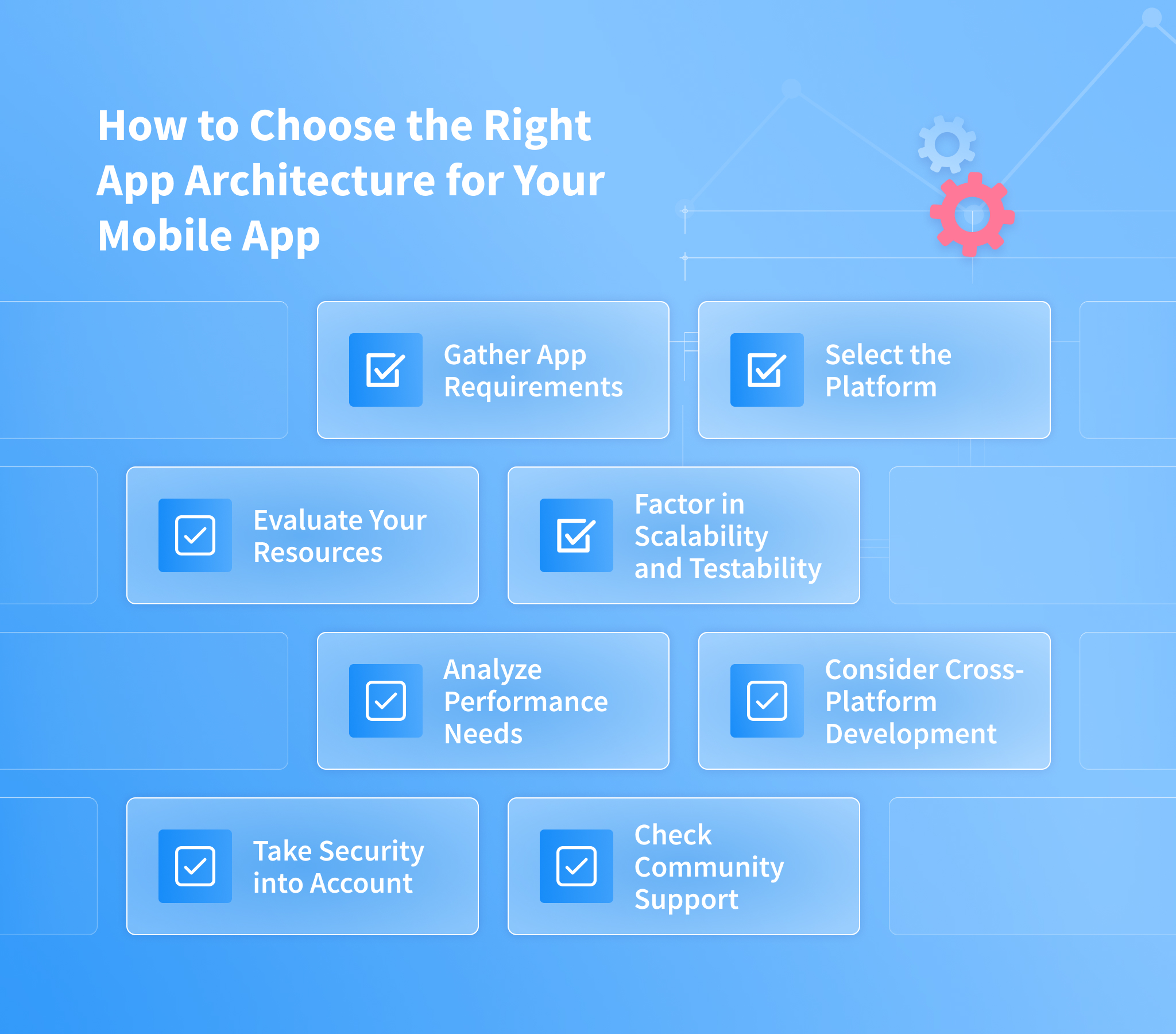
In today’s tech-driven world, mobile apps are no longer just an option—they are a necessity for businesses looking to engage customers, increase visibility, and drive growth. Whether you’re a startup or an established enterprise, choosing the right mobile app development platform is crucial. The platform you select determines the performance, scalability, user experience, and overall success of your app. 🌟
With various platforms available, it can be overwhelming to make the right choice. This blog will guide you through the process of choosing the right mobile app development platform, considering factors like budget, target audience, scalability, and functionality. 💡
Understanding Mobile App Development Platforms 🛠️
Before diving into the specifics, it’s essential to understand what a mobile app development platform is. These platforms provide developers with the tools and frameworks necessary to build mobile applications. The choice of platform depends on several factors, such as the type of app, the target audience, and the operating system (OS). 🌐
The three primary types of mobile app development platforms are:
- Native Platforms: These are designed specifically for one operating system (iOS or Android), allowing developers to build apps tailored to a specific environment. 📱
- Cross-Platform Development Tools: These platforms allow developers to build apps that run on both iOS and Android using a single codebase. 🔄
- Hybrid Development: A blend of native and cross-platform, hybrid development platforms allow developers to create apps that work across multiple devices with one codebase. 🌈
Now, let’s look at the key factors to consider when choosing the right mobile app development platform for your business needs. 📝
1. Define Your Target Audience 🎯
The first step in choosing the right mobile app development platform is understanding your target audience. Knowing whether your users primarily use iOS, Android, or both will help narrow down your options. 🔍
Key Considerations:
- Geography: In some regions, iOS is more popular, while in others, Android holds the majority share. For instance, in North America and Europe, iOS has a larger user base, while Android dominates in Asia and Africa. 🌍
- User Demographics: Understanding whether your audience prefers a particular OS can help you make an informed decision. For example, younger users may lean toward iOS, while Android is popular among users looking for a broader range of devices. 👥
By analyzing your target audience, you can choose a platform that aligns with user preferences, ensuring higher engagement and adoption rates. 📈
2. Budget Considerations 💰
Budget plays a significant role in the platform selection process. Different mobile app development platforms have varying costs associated with them, both in terms of initial development and ongoing maintenance. 💵
Factors to Consider:
- Development Costs: Native apps generally require separate development for iOS and Android, leading to higher costs. Cross-platform tools may reduce costs by allowing you to use a single codebase for both platforms. 💻
- Maintenance Costs: Maintenance is ongoing, and cross-platform apps tend to have lower maintenance costs because they only require updates to a single codebase. 🔧
- Hiring Costs: Depending on the platform, you may need to hire specialized developers. For instance, iOS development requires developers proficient in Swift or Objective-C, while Android developers typically use Java or Kotlin. 👨💻
If you have a limited budget, opting for a cross-platform or hybrid platform can be a cost-effective solution. 💡
3. App Functionality and Features ⚙️
The functionality of your app is crucial to its success. Different platforms offer varying levels of access to device features, such as the camera, GPS, and push notifications. 📲
Native Apps:
Native apps have complete access to all device features, providing the best performance and user experience. If your app requires advanced functionality, such as augmented reality (AR), high-end graphics, or real-time updates, a native app may be the best choice. 🌟
Cross-Platform and Hybrid Apps:
Cross-platform development frameworks like React Native, Flutter, and Xamarin allow for shared functionality across both iOS and Android. However, some complex features may not be as smooth or efficient on cross-platform or hybrid apps compared to native apps. 🔄
Choosing the right platform depends on the functionality your app requires. If your app needs complex features, native development may be the better option. However, for less feature-intensive apps, cross-platform or hybrid platforms can offer cost and time savings. ⏳
4. Performance and User Experience (UX) 🚀
Performance is a critical aspect of any mobile app. Apps that lag or crash frequently can lead to a poor user experience, damaging your brand’s reputation. ⚠️
Performance Considerations:
- Native Apps: Native apps typically offer the best performance because they are optimized for specific platforms and take full advantage of the device’s capabilities. 🏆
- Cross-Platform Apps: While cross-platform apps can perform well, there might be slight performance discrepancies when compared to native apps. However, technologies like React Native and Flutter have significantly improved performance in recent years. 📈
- Hybrid Apps: Hybrid apps may have slightly slower performance compared to native and cross-platform apps due to the web-based nature of their structure. 🕸️
Choosing the right platform for performance requires balancing app complexity, the need for speed, and the user experience. ⚖️
5. Time to Market ⏰
The speed at which you need to launch your app can influence the platform choice. If you need to launch quickly to meet market demands or beat competitors, a cross-platform or hybrid development approach may be the most efficient option. 🚀
Time-to-Market Considerations:
- Native Development: Native apps generally take longer to develop because separate codebases must be maintained for iOS and Android. 🕒
- Cross-Platform Development: Cross-platform frameworks allow you to write code once and deploy it on both platforms, reducing development time. ⏳
- Hybrid Development: Hybrid apps, while offering faster development, may not be suitable for apps requiring complex functionalities. ⚙️
For businesses with limited timeframes, cross-platform or hybrid solutions provide a quicker go-to-market strategy. 🏃♂️
6. Scalability and Future-Proofing 📈
As your app grows and your user base expands, scalability becomes essential. A platform that supports easy updates, performance improvements, and feature expansions will help your app adapt to future needs. 🔄
Scalability Considerations:
- Native Apps: Native apps are highly scalable, but each update requires separate testing and maintenance for both platforms, which can increase the effort. 📊
- Cross-Platform Apps: Cross-platform solutions allow developers to maintain a single codebase, making it easier to scale and update the app without duplicating work. 🔧
- Hybrid Apps: Hybrid apps are also scalable but may face limitations in performance when handling large amounts of data or high-level functionalities. 📉
Choosing a platform that supports scalability is essential for growing your app while maintaining a smooth user experience. 🌱
7. Security Features 🔒
Security is crucial for mobile apps, especially if they handle sensitive data such as user information or payment details. Ensure that the platform you choose offers robust security features, such as encryption, secure data storage, and user authentication. 🔐
Security Considerations:
- Native Apps: Native apps often provide better security, as they have more access to device-specific security features. 🛡️
- Cross-Platform Apps: Some cross-platform frameworks may require additional security measures to ensure data protection. 🔍
- Hybrid Apps: Hybrid apps may have some vulnerabilities due to their reliance on web technologies, which could expose them to security risks. ⚠️
Be sure to choose a platform that offers the right security tools to protect user data and ensure compliance with regulations. 📜
Final Thoughts 💭
Choosing the right mobile app development platform is a critical decision that can impact your app’s success, performance, and user satisfaction. The platform you select should align with your business needs, budget, target audience, and long-term goals. Whether you choose native development for top-tier performance, cross-platform for cost efficiency, or hybrid for faster development, making the right choice will set the foundation for your app’s success. 🏗️
Softybytes offers expert guidance and development services to help you select the ideal platform for your mobile app, ensuring it meets your needs and drives business growth. By carefully considering factors such as functionality, scalability, and security, businesses can create apps that deliver seamless, engaging user experiences and thrive in today’s competitive mobile app market. 🚀